Zelig Heller
Heller was working in the top management of Group 13. After a split in the organization, in mid-1941, together with Morris Kohn he broke the partnership with Abraham Gancwajch after the struggle for influence and financial control. Together with Kohn , he surpassed their "teacher" Gancwajch in ostentatious waste. This company owned horse trams (the so-called "kohn-hellers"), which transported people and property in the ghetto, which was associated with corruption and a specific system of racketeering.
This is what Mary Berg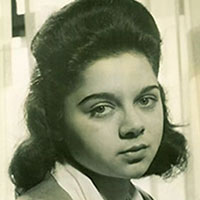 Mary Berg (born Miriam Wattenberg; 1924 – 2013) was a survivor of the Warsaw Ghetto and author of a Holocaust diary, which contains her personal journal entries written during the occupation of Poland in World War II. wrote about Heller and Kohn:
There are fantastic stories about the luxurious life that the Kohns and the Hellers lead. They throw parties every day while people starve to death outside their doors. (…) These two gentlemen have other sources of income besides their trams. They play important roles in the so-called Transferstelle. This institution, supported by the Germans, deals with the exchange of various commercial goods between the ghetto and the “Aryan” part of Warsaw. Everything that legally enters the ghetto is controlled by this office, brings a significant commission on each transaction. Kohn and Heller together have great influence in Transferstelle and are often bribed by traders on both sides of the wall. In this way, they play the role of intermediaries between the Germans and the owners of the transports of food and industrial goods that are delivered from the ghetto and into the ghetto. The starving population of the ghetto must pay higher prices for bread and potatoes, to fill the pockets of Mr. Kohn and Mr. Heller..