Vital Hasson
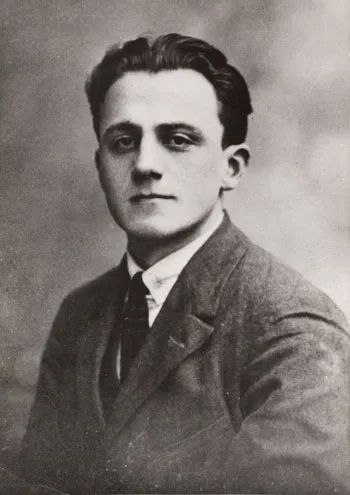
Vital Hasson was a Jewish tailor who became one of the main helpers of the German occupation forces in Thessaloniki, Greece. He came from an educated, middle-class family of journalists, writers, educators and political leaders. Like most of the Sephardic Jews of Thessaloniki, he was descended from Jews expelled from Iberia in the 15th century, who spoke and wrote in the Judeo-Spanish language known as Ladino. He played an important role in the persecution of Jews in Greece. Despite the fact that during the war, in 1943, he managed to escape at the last minute when he was about to be deported, he was arrested and sentenced to death. He was the only Jew to be executed in Greece for collaboration with the Nazi occupiers. One of the dozens of Jewish survivors who testified against him described him as ‘less than nothing’, i.e. as a person who, in essence, meant nothing and contributed nothing to the pre-war community. He was executed in Corfu on 4 March in 1948.
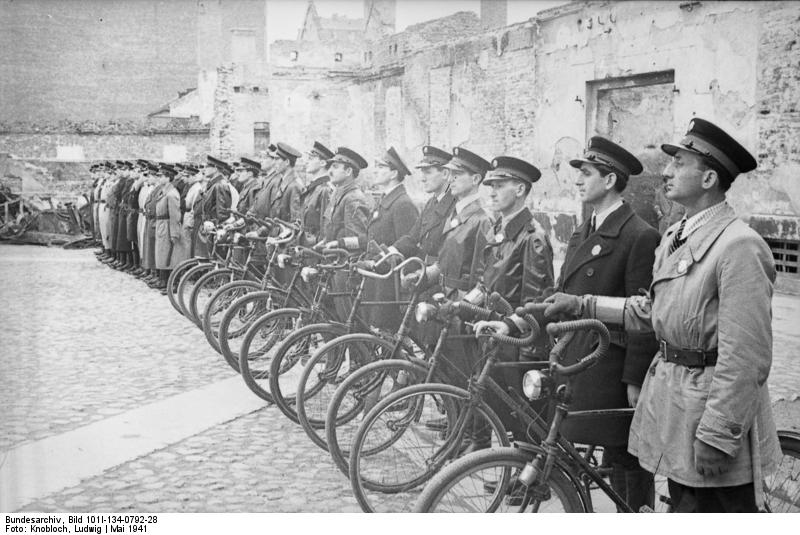
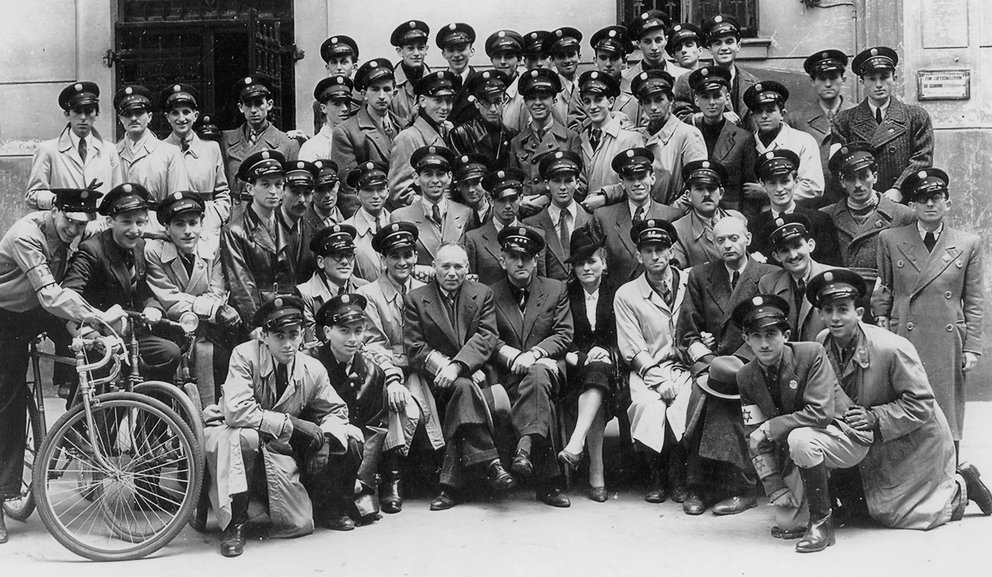
In April 1941, Thessaloniki was occupied by German troops. Two years later, Hasson, in unclear circumstances, took over as head of the Jewish police. This position gave him authority over some 200 employees of the Jewish police force - local jews. One of Hasson's first actions was to volunteer for the role of ‘manhunter’, thus exceeding his authority. This is how, in May 1943, he made his way from the German part of Greece to the Italian-occupied part of Greece, in pursuit of Salonic Jews fleeing the Nazis whom he was able to identify. His efforts were thwarted, but it was an indication of how far he was prepared to go to please his masters.
When the Nazis created the Jewish ghetto of Thessaloniki in 1943, one of the two areas was ruled by [Baron Hirsch]. Within the wooden walls of the ghetto, which were surrounded by barbed wire and control towers, more than 2,000 Jewish women, men and children were crowded into 593 rooms. Disease and crime were rampant. Technically, Baron Hirsch's ghetto was commanded by a 23-year-old German SS officer. Hasson, however, had a great deal of leeway in carrying out Nazi orders.
Historian Michaël MolhoMichaël Molho (born 1891 in Thessaloniki, died 1964 in Buenos Aires) was a teacher, rabbi and local historian from Thessaloniki. He published several works on the history of the city's Jewish community. When Thessaloniki was occupied by the Germans in April 1941, they ransacked his personal library, rich in manuscripts and rare works on history, archaeology and religion in Hebrew, Judeo-Spanish and French. He managed to preserve part of the collection by hiding the books in the family textile workshop. described Hasson's behaviour and the abuses he committed:
The infamous Vital Hasson was the executioner of his brothers, denouncing, pillaging and swindling the unfortunate internees, treating them with unparalleled ferocity and disdain. Dressed in silk, booted, dolled up, always clean-shaven, dashing, triumphant, with his whip blowing in the wind and his mouth full of gibberish, always surrounded by henchmen, servants, vile, grovelling creatures, this monster, born after a life of adventure, from the slums, from the Salonican sentinel, behaved like an absolute master. He was sadistic and vicious. He was married, but he had a mistress [...]. One mistress was not enough for Hasson's insatiable concupiscence. He had the authority to seize all the unfortunate women who had the misfortune to attract his lustful gaze, and he had them brought to him manu militari, despite their moans and protests. Anyone who resisted the slightest of his whims was subjected to the most appalling torture.
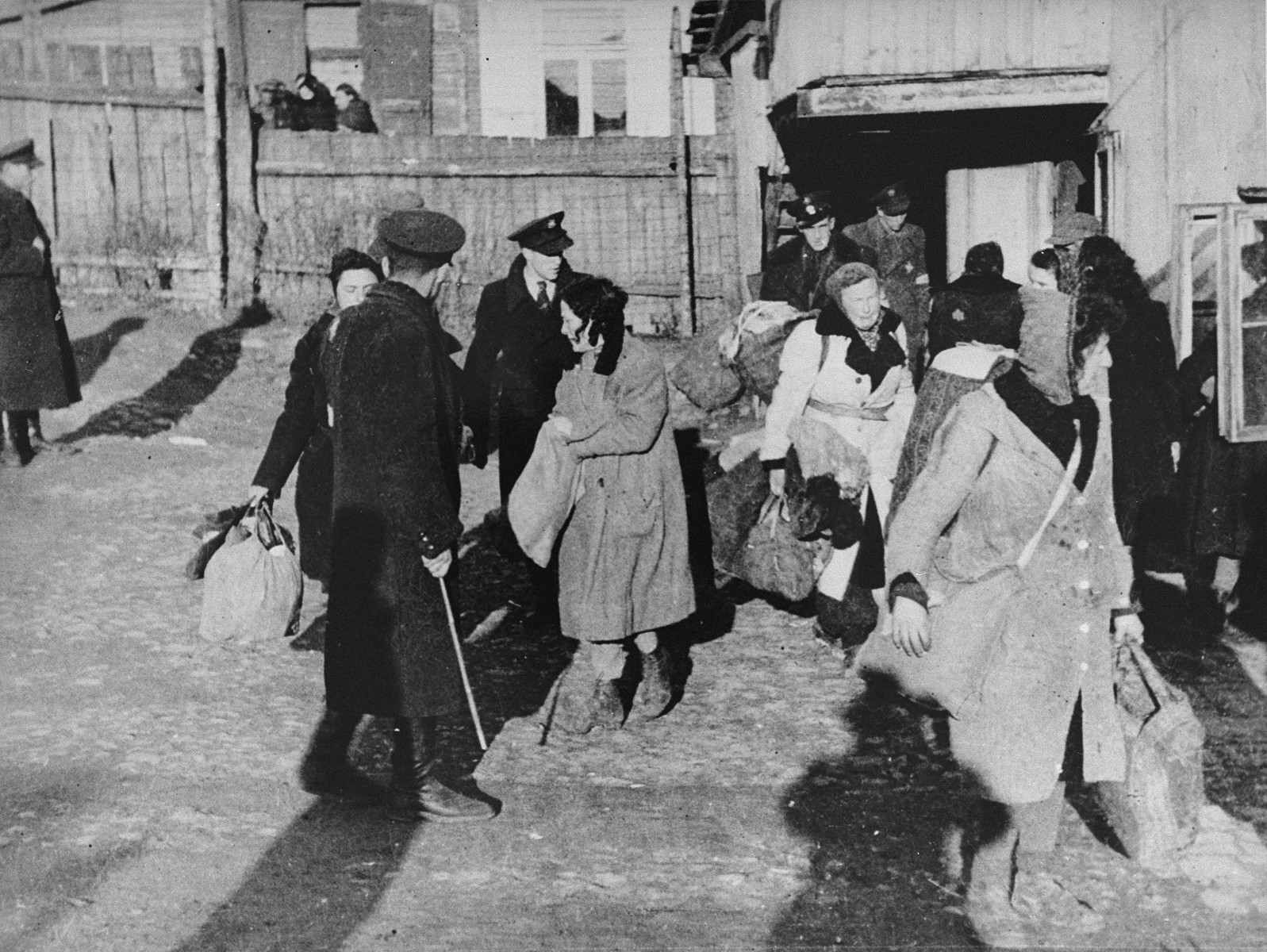
The recollections of Hasson's activities that run through the Greek, Hebrew, Ladin and English testimonies of survivors leave no doubt about his role. Hasson was said to have rushed through the ghetto in a horse-drawn carriage and forced his fellow Jews to sweep the streets. He strolled around in shiny German boots, broke down doors and threw people out of their rooms. He would steal from imprisoned Jews, carrying himself around the ghetto with an open sack into which men and women would put the jewellery and money they had managed to keep. He was pointing young men who were forcibly conscripted into forced labour.
Bouena SarfattyBouena Sarfatty (1916-1997, born in Thessaloniki) was a Jewish Greek partisan from the Second World War, an author of poems and a well-known embroiderer. She belonged to the upper classes of Thessaloniki. After the Nazi invasion, she volunteered for the Red Cross and also carried messages between young men in labour camps and their families. She separated from Vital Hasson, a leader of Jewish collaborators. She was engaged to be married, but her fiancé was shot dead on the day their wedding was to take place, after Hasson informed the Nazis that the man had escaped from his work group. A film was made about her achievements., resistance fighter, one of the ghetto residents and a witness to the incidents, and also a resistance fighter, said of him: He was like a lion let out of a cage
.
Hasson was particularly cruel to girls and women. He forced them to strip naked, searched their genitals for hidden money, cut their hair, raped them and pimped them to others. He treated the women as his property. Sarfatty testified after the war about the treatment of women. While organising the distribution of milk in the Hirsch ghetto, she was overpowered by Hasson, who forced her to drink milk until she finally vomited and then beat her. Later Hasson denounced her fiancé, a fleeing Greek army soldier, who was immediately murdered by the Germans. On another occasion, he tried to force a young girl - Sarika Gategno - to marry his brother, Dino. However, in order to discourage the forced nuptials, she wore the same dress for three months and consumed only alcohol and cigarettes.
From March to August 1943, the Germans directed 18 transports of Jews from Thessaloniki to the Auschwitz death camp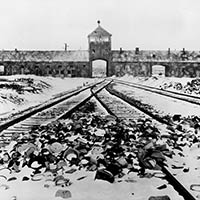 (German: Konzentrationslager Auschwitz) was a complex of over 40 concentration and extermination camps operated by Nazi Germany in occupied Poland during World War II and the Holocaust. It consisted of Auschwitz I, the main camp (Stammlager) in Oświęcim; Auschwitz II-Birkenau, a concentration and extermination camp with gas chambers and crematories; Auschwitz III-Monowitz, a labor camp for the chemical conglomerate IG Farben; and dozens of subcamps. The camps became a major site of extermination of Poles and the Nazis' Final Solution to the Jewish Question. and 1 to Bergen-Belsen
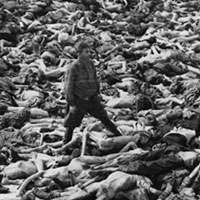 Konzentrationslager Bergen-Belsen - German concentration camp existing in 1940–1945 in the Third Reich near the city of Bergen. The camp was established in the first half of 1940 as a camp for prisoners of war. The prisoners were kept in the open air, so during the first winter 14,000 of them died of hunger and cold, as well as the typhus epidemic.. This was a total of 48,533 people. The journey to Auschwitz lasted between five and eight gruelling days. Almost all of the Salonic Jews brought there were immediately murdered. On the train to Bergen-Belsen were the families of collaborators and leaders of the local Jewish community. Hasson's father was also there, publicly disowned his son before his deportation. Vital Hasson, however, remained in Thessaloniki.
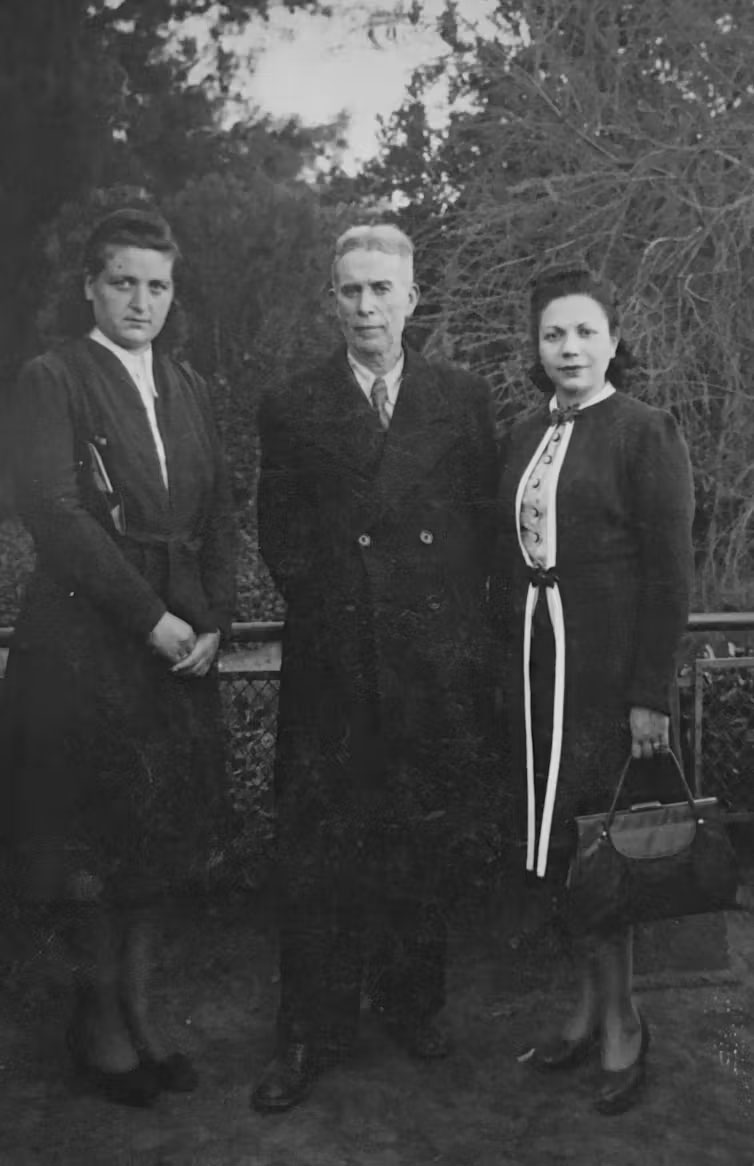
Escape
In 1943, he arranged an escape to the east with his wife, daughter, pregnant mistress and about fifteen henchmen. He had the money to do so in the form of jewellery, gold, silver coins and valuables looted from the Jews and packed in heavy suitcases. These riches allowed him to finance his escape across Europe. During it, he was recognised several times by Jewish refugees from Thessaloniki (in Albania, Italy and Egypt) and arrested by Allied representatives, but in the chaos of the war Hasson escaped or was released many times.
Trial and execution
Finally, after the liberation of Greece in October 1944, the British captured him and sent him back to Greece for trial, that took place in the summer of 1946. The trial was a sensational event that stirred Thessaloniki and the Salonika Jewish diaspora. He sat on the defendant's bench along with other collaborators, both Jews and non-Jews. He was accused of assisting the Germans in the deportation of Jews, in particular by pointing out the hiding places of those who tried to escape arrest, and of numerous abuses, including the rape of women. Hasson was sentenced to death and executed.
One of the members of the firing squad was a Jew rescued from the Auschwitz camp.
https://fr.wikipedia.org/wiki/Vital_Hasson
Renée Levine Melammed, « The Memoirs of a Partisan from Salonika », Nashim: A Journal of Jewish Women's Studies & Gender Issues, no 7, 2004, p. 151–173 (ISSN 0793-8934, lire en ligne [archive], consulté le 13 avril 2022)
Sarah Abrevaya Stein, « Vital Hasson, the Jew who worked for the Nazis, hunted down refugees and tore apart families in WWII Greece », The Conversation, 21 janvier 2020 (lire en ligne [archive])