MYTH: After the war began, the Germans' goal was to murder the Jews.
In an interview with Tomasz Drwal, Wojciech Sumliński told a story that confirms the lenient treatment of Jews at the beginning of World War II.
These are things that few people know about. Bolek Szenicer explained them to me. For 25 years, he was the director of the Jewish cemetery on Okopowa Street in Warsaw, the second largest Jewish cemetery in Europe. The first was in Łódź, the second in Warsaw. The two largest cemeteries in Europe are in Poland. Well, Jews felt “uncomfortable” here, because there were so many of them here. And Bolesław Szenicer told me a story that I think is worth telling because it shows, as if through a lens, the bigger picture. It's something that's hard to comprehend because I think that 99 out of 100 Poles have no idea about it.
Szenicer's father was the director of the cemetery for 25 years. His grandfather Szudlich told him to join this anti-Polish crusade. Szenicer (my dear friend) says: I won't join, because Poland saved my mother. How can I say that Poles are Nazis? I wouldn't be here if it weren't for the Poles
. And he tells me this and shows me documents. This director of the Jewish cemetery—he was the director there for 25 years—says: ”It was my backyard. When I came home, I would throw down my schoolbag. My daddy showed me, 'Here lies such-and-such a Jew, here lies such-and-such a Jew'. When a Jew from America came later and asked about his ancestor, I not only showed him the group, but also told him his story."
And Szenicer tells me this story: It is November 1939. Warsaw is partially destroyed, defeated. On one side of the Jewish cemetery, the Germans are building warehouses, on the other side, a military garrison, and they come up with the idea of running a narrow-gauge railway between the two, between the warehouses and the garrison. And they write a request – I emphasize: a request – to the Warsaw Jewish religious community, asking for permission for the narrow-gauge railway to run through the middle of the cemetery. The Jews refuse. The Germans write – I emphasize: November '39 – the Germans write a request – the Jews refuse. The Germans repeat their request, but no longer through the middle, only so that it can run along the side, and in return they offer to increase the food, medicine, money, and so on and so forth. The Jews raise the stakes and say that if there is this much food, this much medicine, this much money, then they will agree. The Germans agree. And Bolesław Szenicer shows me these documents, all this correspondence and traces of the tracks. Because to this day, these tracks are in the Jewish cemetery on Okopowa Street. They run along the side sector. I emphasize once again: November '39 - the Germans ask the Jews - the Jews refuse - the Germans repeat their request - the Jews agree. Who have ever heard about a story like this??!!
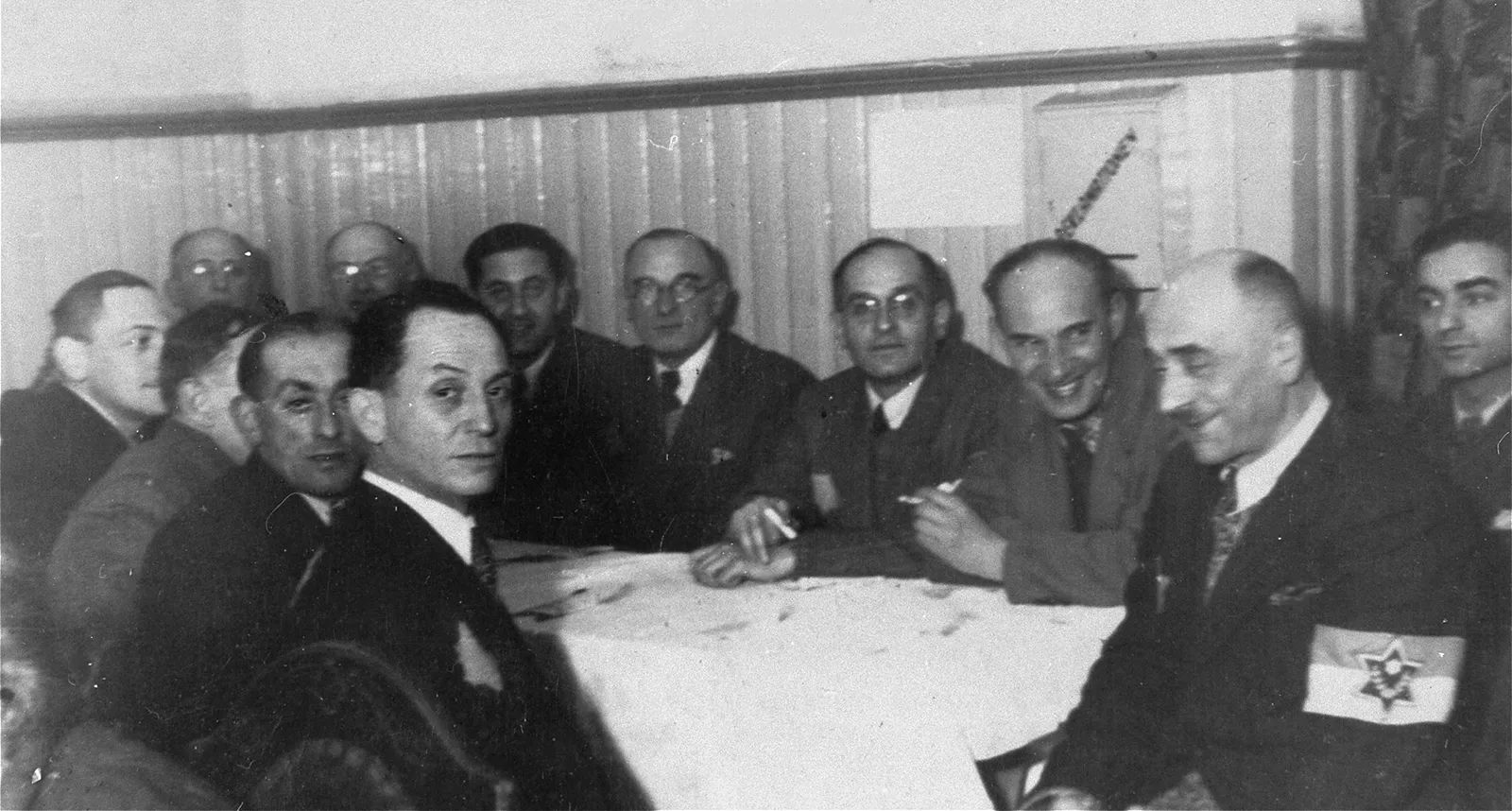
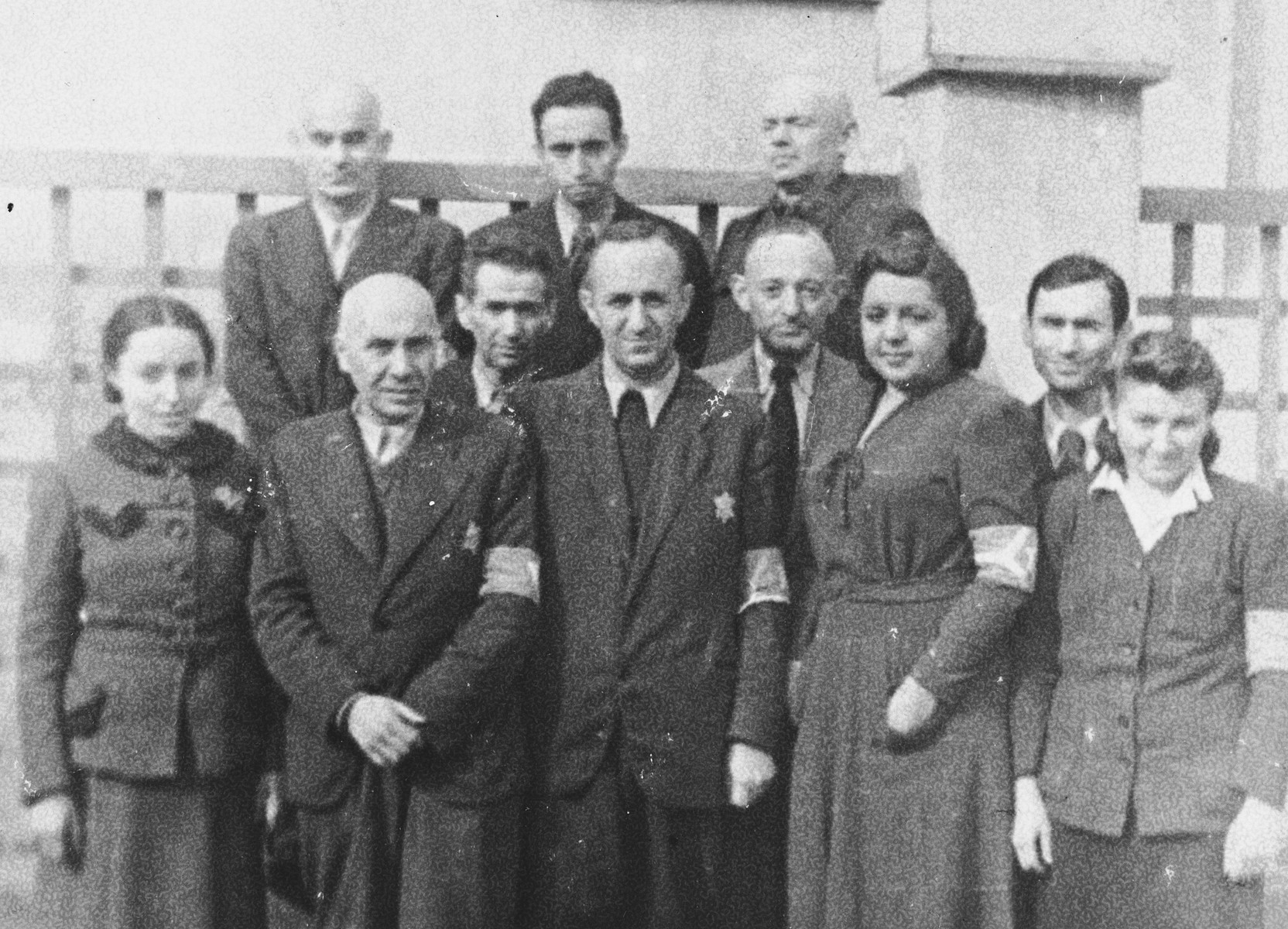
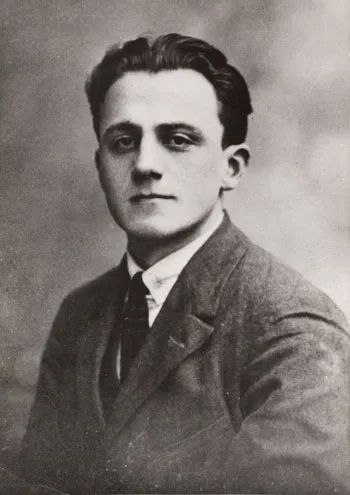
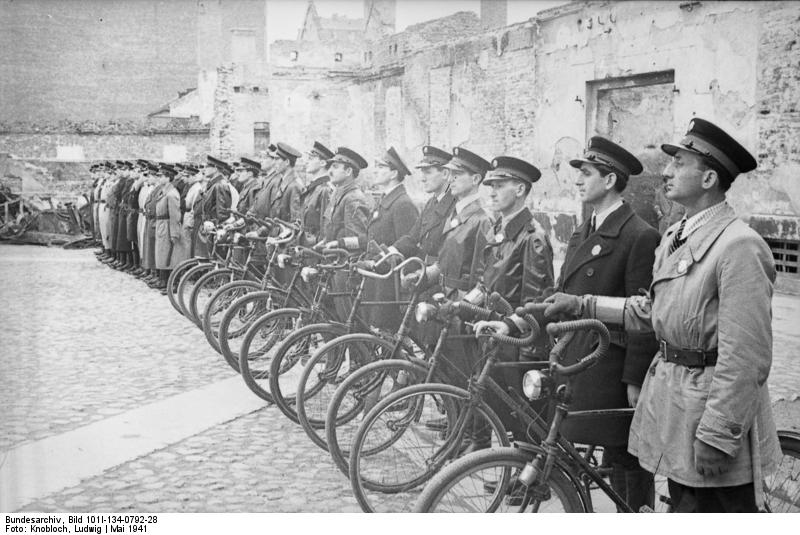
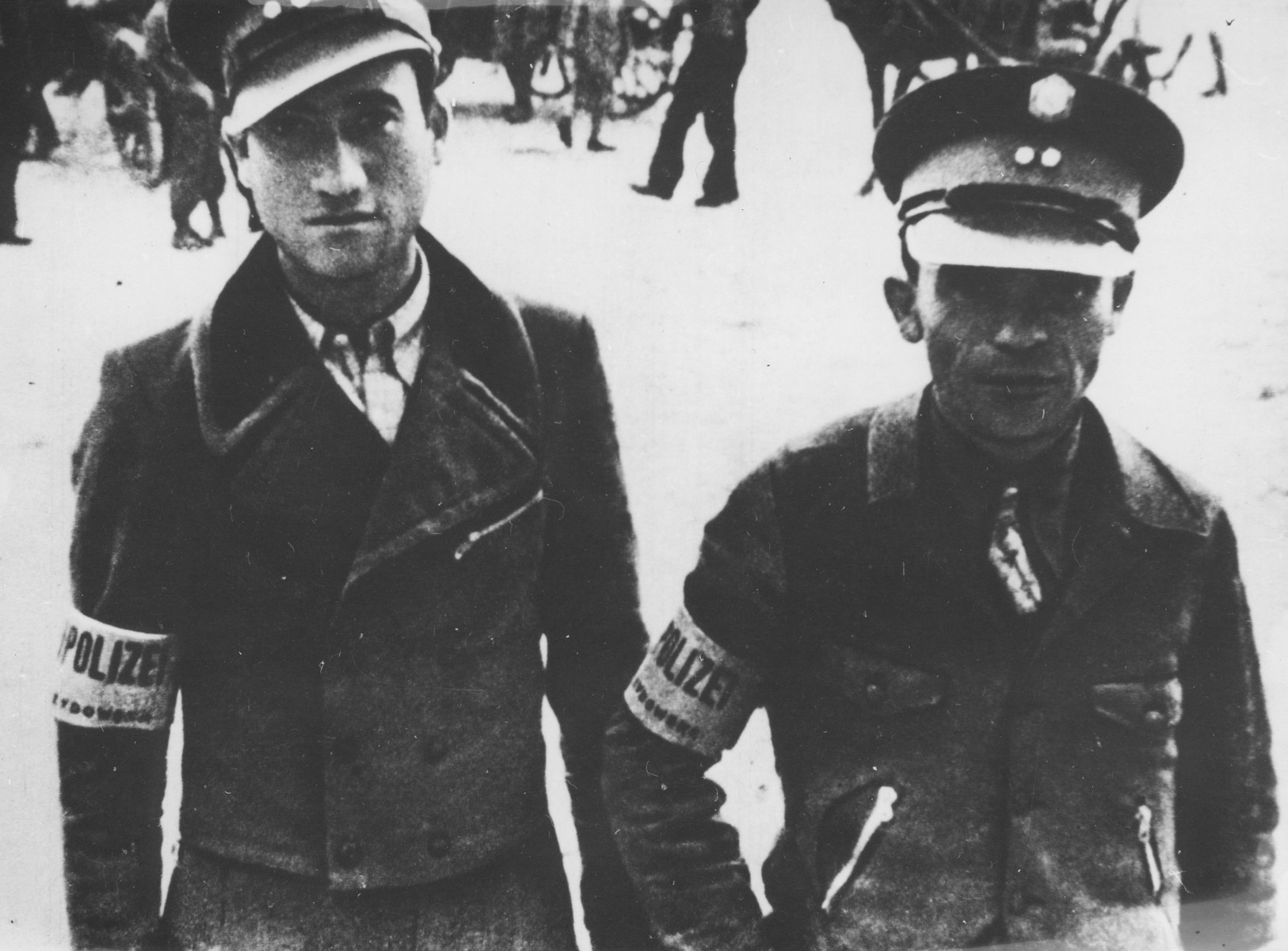
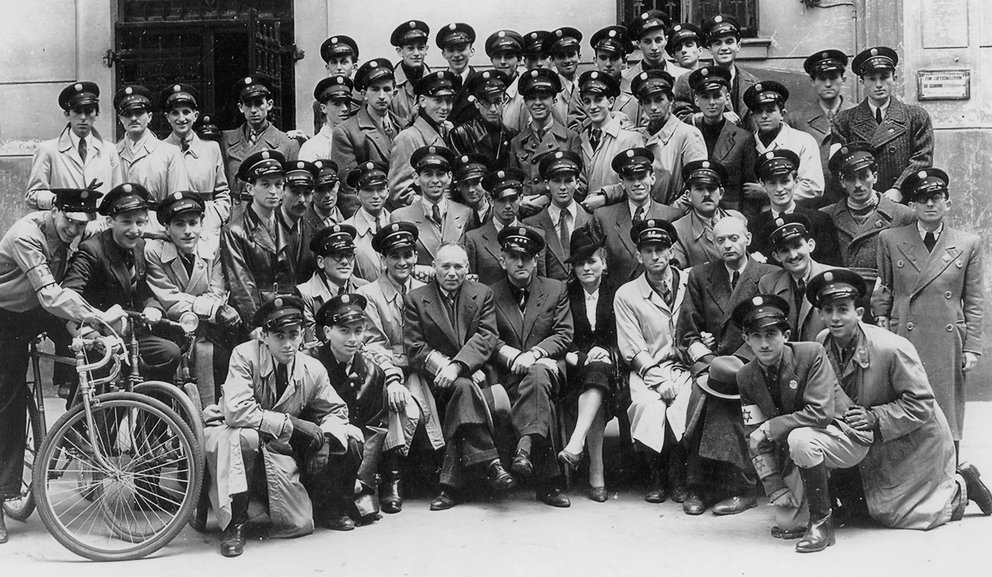
After all, we are told that from the very first day the Germans arrived here, they murdered Jews and so on. That was not the truth. The Germans convinced the Jews that they had come to Poland and that the Poles were their enemies. They said, “Build yourselves ghettos.” That is why Adam Czerniakow, the mayor of the Warsaw ghetto – how many people even know that the Warsaw ghetto had a mayor? – this mayor had a chauffeur and a salary from the SS. Every day, he went to breakfast and agreed on a strategy with the Germans. The Germans convinced the Jews that they had come here to deal with the Poles. The Jews believed it. There was a huge disparity in the treatment of Jews and Germans [the author meant Poles - slip of the tongue] in the early period of the occupation.
"Czy Polska stanie się POLIN? Ukryta wizja przyszłości naszego kraju"
https://www.youtube.com/watch?v=RlYrzSTDUwU