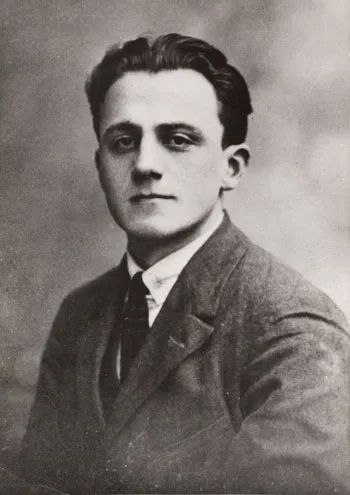
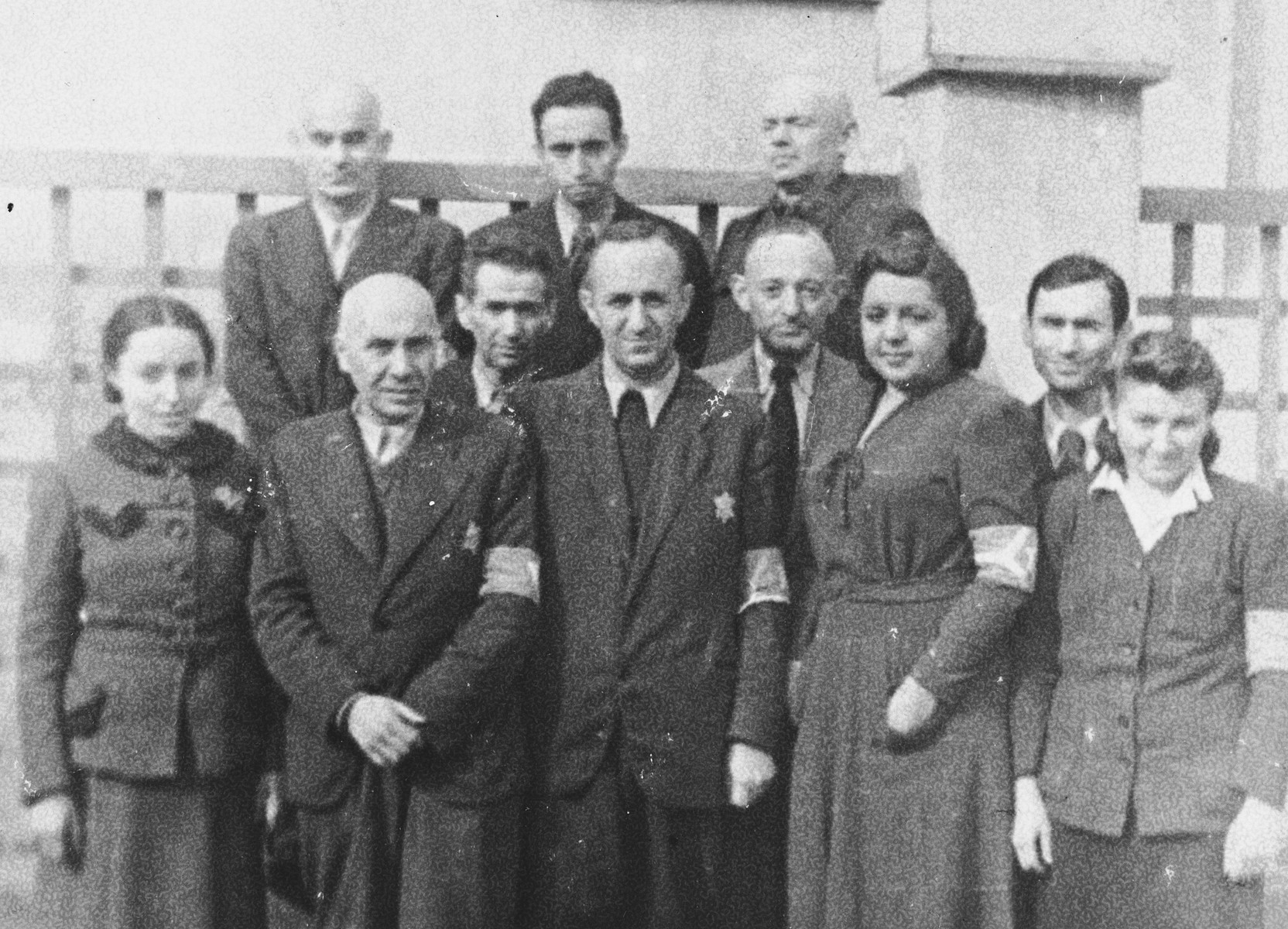
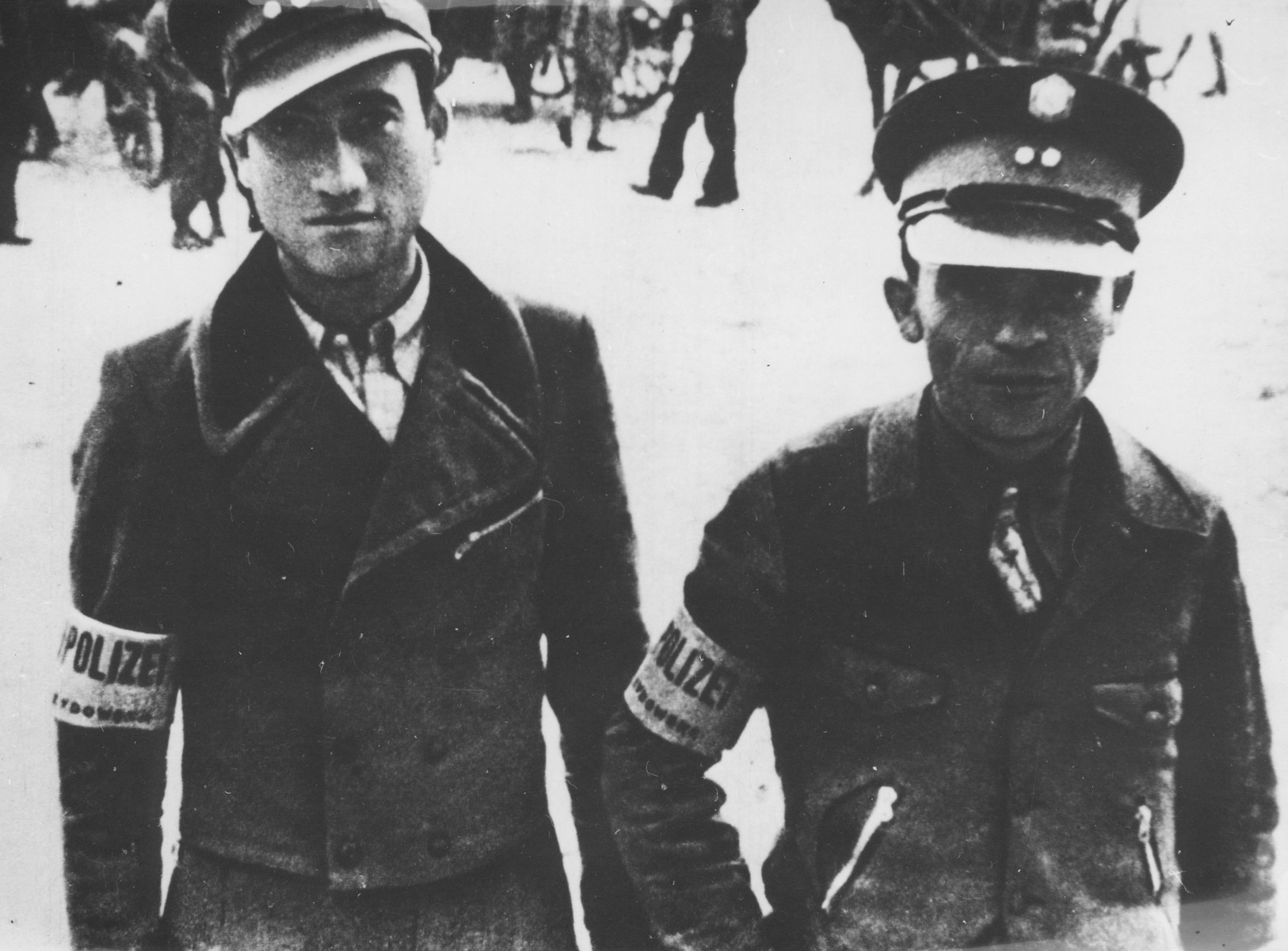
Adam Żurawin
The exact origin of Adam Żurawin is unknown. Adam Czerniakov Adam Czerniaków (1880-1942) - engineer, economic, educational and social activist (for the integration of the Polish and Jewish nation), journalist, president of the Jewish Religious Community in Warsaw, president of the Warsaw Judenrat in 1939-1942. In 1942, on the day of the commencement of the great liquidation action, he refused to sign the announcement on the forced deportation of Jews from Warsaw (and in fact deportation to the Treblinka extermination camp). The next day, he committed suicide by taking potassium cyanide. A short letter to his wife was found on the table: "They demand me to kill children of my nation with my own hands. I have nothing to do but to die." in his diary described him in a footnote as
 A Jew that was keeping his origin a secret. In contact with the SD
. 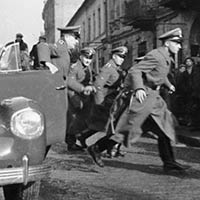 Sicherheitsdienst des Reichsführers SS (SD, Reichsführer SS Security Service) - an organ of intelligence, counterintelligence and the SS security service, operating in the Third Reich in 1931–1945.
Władka Meed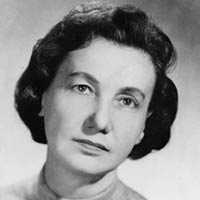 Vladka Meed or Władka Meed, actually Feigele Peltel (born December 29, 1921, died November 21, 2012 in Phoenix, Arizona) - Polish-Jewish resistance activist during World War II, courier of the Jewish Combat Organization (ŻOB), author of memoirs and social activist. Smuggled dynamite into the Warsaw Ghetto, and also helped children escape out of the Ghetto. (born Fajgele Peltel-Międzyrzecki) in her book On Both Sides of the Wall. Memoirs from the Warsaw Ghetto wrote:
 Collaborated with the Gestapo. Helped the Germans in their contacts with the Jews in the Hotel Polski
.
He became famous for the same Hotel Polski scandals; thanks to the efforts of diplomats and other personalities from Switzerland and the USA, some Jews from the Warsaw ghetto were allowed to obtain passports so that they could emigrate to South America. However, the documents sent at the turn of 1942 and 1943 did not find their way to the owners, but to Żurawin and his associate Leon Skosowski.
Ber Baskind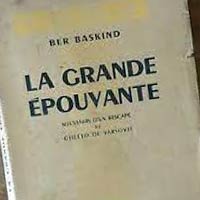 Ber Baskind (or Bretsztein) - author of memoirs La grande epouvante. Souvenirs d´un rescape du ghetto de Varsovie (french: Great terror. Memories of escaping the Warsaw ghetto). in his personal memoirs wrote (most likely) about Żurawin (he did not want to give his name):
'Patron'; he registered Jews in the Hotel Polski; he got on well with the Gestapo and was subject to another law; he intercepted 'promises' sent from abroad and he delivered as many of them as he could to the Gestapo; he had contacts with the Foreign Citizens' Department, where thanks to the gathered 'promises' he registered Jews, often increasing the number of members in a family to 20 people.
Together with Skosowski, they sold these passports to Jews in hiding, and their price was as high as PLN 300,000 apiece. However, there was no shortage of people willing. Jews who managed to buy a passport were interned at the Polski Hotel at Długa street in Warsaw. The entire venture looked plausible. The internees were representatives of the Jewish resistance movement, as well as collaborators of the Gestapo (including Gancwajch's wife). However, the Germans finally realized that they were dealing with a scam. They began to carefully check the documents and all those who did not have passports were shot.
In his memoirs, Żurawin portrays himself as a knight-hero figure, who had never tarnished his hands with collaboration, but played a game with the Germans (and with the Poles), aimed only at saving his own family.